Apple Sues OpenAI for Trade Secret Theft: Key Lessons for North Carolina Businesses
- Craig Morgan, Esq.

- Jul 13
- 2 min read
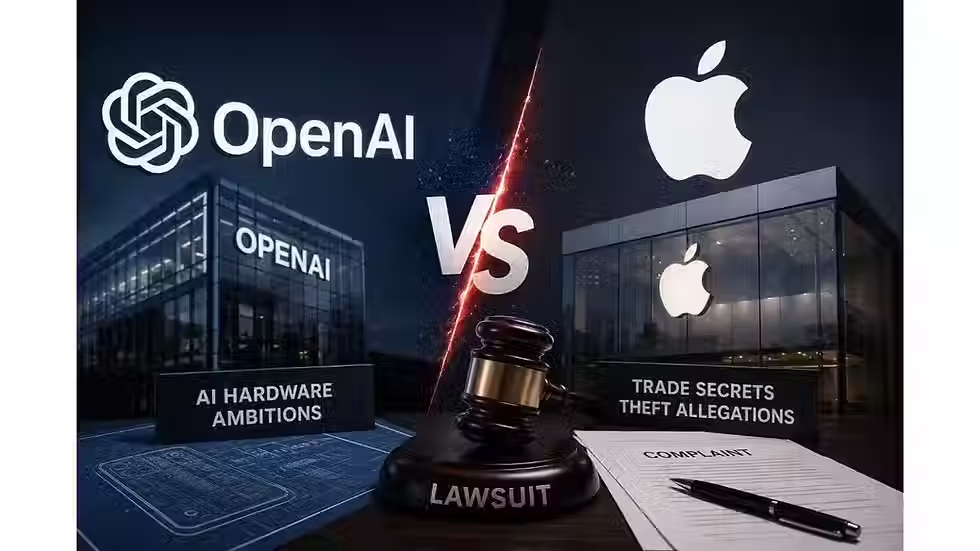
In one of the most high-profile intellectual property disputes of 2026, Apple has filed suit against OpenAI and several former employees, alleging a systematic campaign of trade secret theft. The lawsuit claims OpenAI coordinated efforts to recruit Apple talent while encouraging them to bring prototypes, designs, supplier lists, components, and other confidential materials to help fast-track OpenAI’s push into consumer AI hardware.
Specific allegations include former employees exploiting internal system vulnerabilities to download proprietary specifications and emailing themselves sensitive supply chain data. Apple is seeking injunctive relief to block the use of any allegedly stolen information, along with damages.
This case shines a light on the fierce competition in the AI sector, where talent wars and intellectual property have become critical battlegrounds. For businesses in North Carolina, it offers important cautionary lessons.
North Carolina-Specific Considerations
North Carolina’s Trade Secrets Protection Act provides robust tools for companies facing misappropriation claims. The statute allows for injunctive relief to immediately stop the use or disclosure of stolen information, as well as monetary damages. In cases of willful and malicious conduct, prevailing plaintiffs may also recover attorneys’ fees. North Carolina courts — especially in business-friendly jurisdictions like Charlotte and the Research Triangle — have shown a strong willingness to protect legitimate trade secrets in tech, manufacturing, biotech, and other innovation-driven industries. As these sectors continue to grow rapidly across the state, proactive compliance with the TSPA is essential for safeguarding competitive advantages.
Practical Lessons for Business Owners and Executives
- Review and Update Contracts: Ensure employment agreements, NDAs, and restrictive covenants clearly define what constitutes a trade secret and prohibit removal of company property or data.
- Strengthen Onboarding and Offboarding Processes: Perform thorough due diligence on new hires from competitors and implement strict exit protocols, including immediate access revocation and return of all devices/materials.
- Conduct Regular IP Audits: Identify your crown-jewel information and put technical and procedural safeguards in place to track access and detect potential leaks.
- Train Your Team: Educate employees on their obligations regarding confidential information, especially during recruitment discussions or transitions.
- Act Quickly on Suspected Breaches: Early legal intervention can make the difference between containment and costly litigation.
At Craig Morgan Law, PLLC, we regularly assist businesses with trade secret protection strategies, drafting enforceable agreements, conducting risk assessments, and representing clients in intellectual property and commercial disputes. Whether you are a growing tech company, manufacturer, or franchisor with valuable proprietary systems, proactive legal guidance can help you avoid becoming the next headline — or prevail decisively if you do.
If you have questions about protecting your company’s intellectual property or need assistance reviewing contracts in light of today’s competitive landscape, contact us to schedule a consultation.
Craig Morgan Law, PLLC — Business Law | Contracts | Franchising | Commercial Disputes | Charlotte, North Carolina